Details
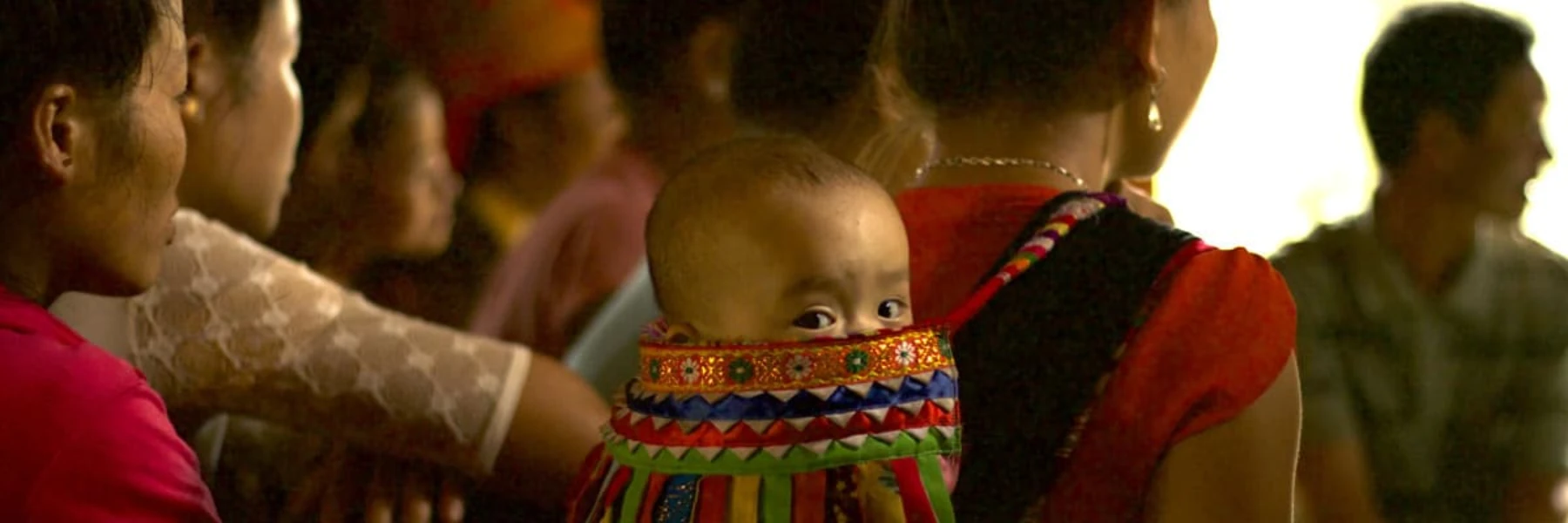
HealthBridge’s nutrition programming in Son La, Vietnam focuses on the first 1,000 days between conception and a child’s second birthday, which is a critical period for their lifelong health and development. The Son La Province of Vietnam is a rural and mountainous region where local ethnic minority communities often face barriers to accessing quality nutrition information and services, such as language, cultural and geographic barriers.
In 2026, HealthBridge Vietnam expanded the programme to a new commune, Phieng Cam, which is home to 14,348 people living in 2,832 households, with the Thai ethnic group making up the majority population. Located approximately 80 kilometres from the district hospital, access to healthcare and nutrition services remains limited, contributing to a high child stunting rate of 44.2%.
Before designing the intervention, HealthBridge Vietnam collaborated with the Son La Centre for Disease Control (CDC Son La) and local health authorities, to work closely with community members to better understand local nutrition practices, challenges, and communication needs related to maternal and child nutrition. Through consultations with village leaders and health workers, the team identified gaps in knowledge and barriers to behaviour change, particularly around breastfeeding and complementary feeding practices.
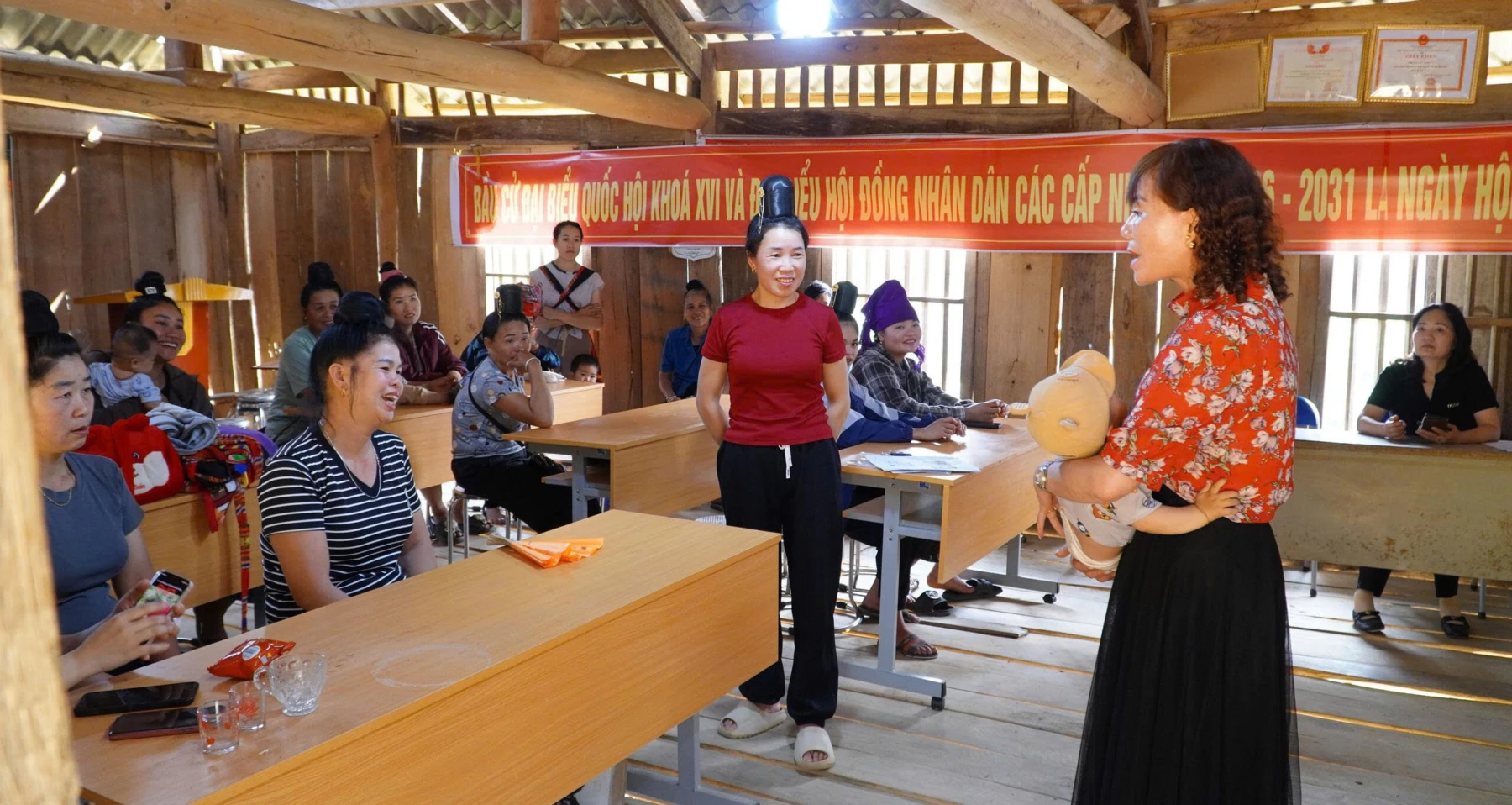
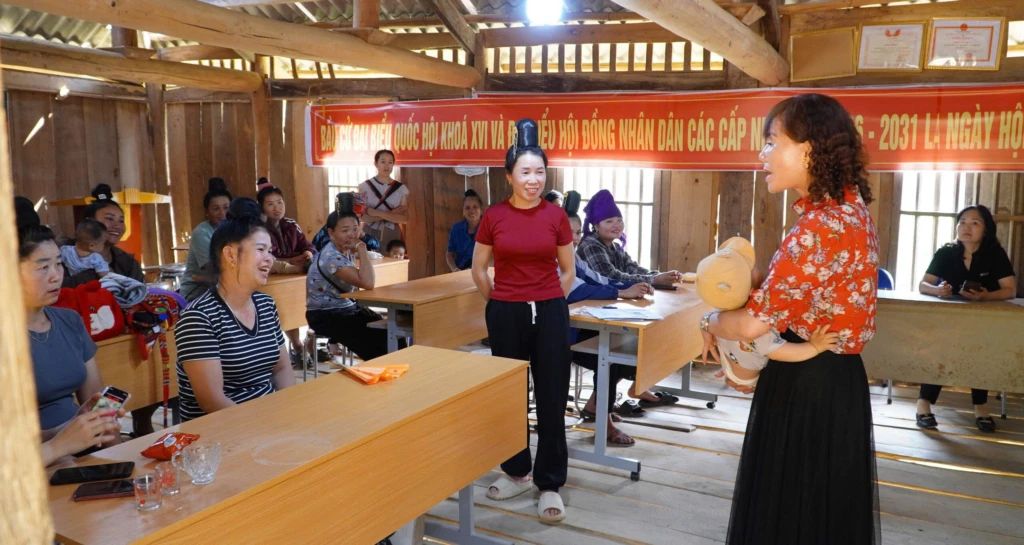
In April 2026, a series of nutrition training sessions were organized for health workers, village leaders, and women in Phieng Cam commune. The training aimed to strengthen participants’ knowledge and practical skills on nutrition during the critical first 1,000 days of life. Key topics included maternal nutrition, breastfeeding, complementary feeding, and practical counselling skills.
The participation of women leaders was considered especially important because most village health workers are male, while discussions on breastfeeding and infant feeding practices are often more culturally acceptable and effective when facilitated by women within the community.
Beyond nutrition information, the training strongly emphasized practical facilitation skills. Participants practiced organizing community communication sessions, facilitating breastfeeding counselling discussions, and conducting participatory cooking demonstrations to prepare nutritious complementary meals with caregivers of young children.
Following the training, community educators across the commune conducted 95 education sessions, reaching approximately 2,800 pregnant women, parents and grandparents of households with children under two years old. Fathers and grandfathers were encouraged to participate so that informed feeding practices extend beyond the primary caretakers (typically mothers and grandmothers) to all family members. The sessions covered five core nutrition topics, including three sessions focused on breastfeeding and two on complementary feeding, often combined with practical cooking demonstrations using locally available foods.
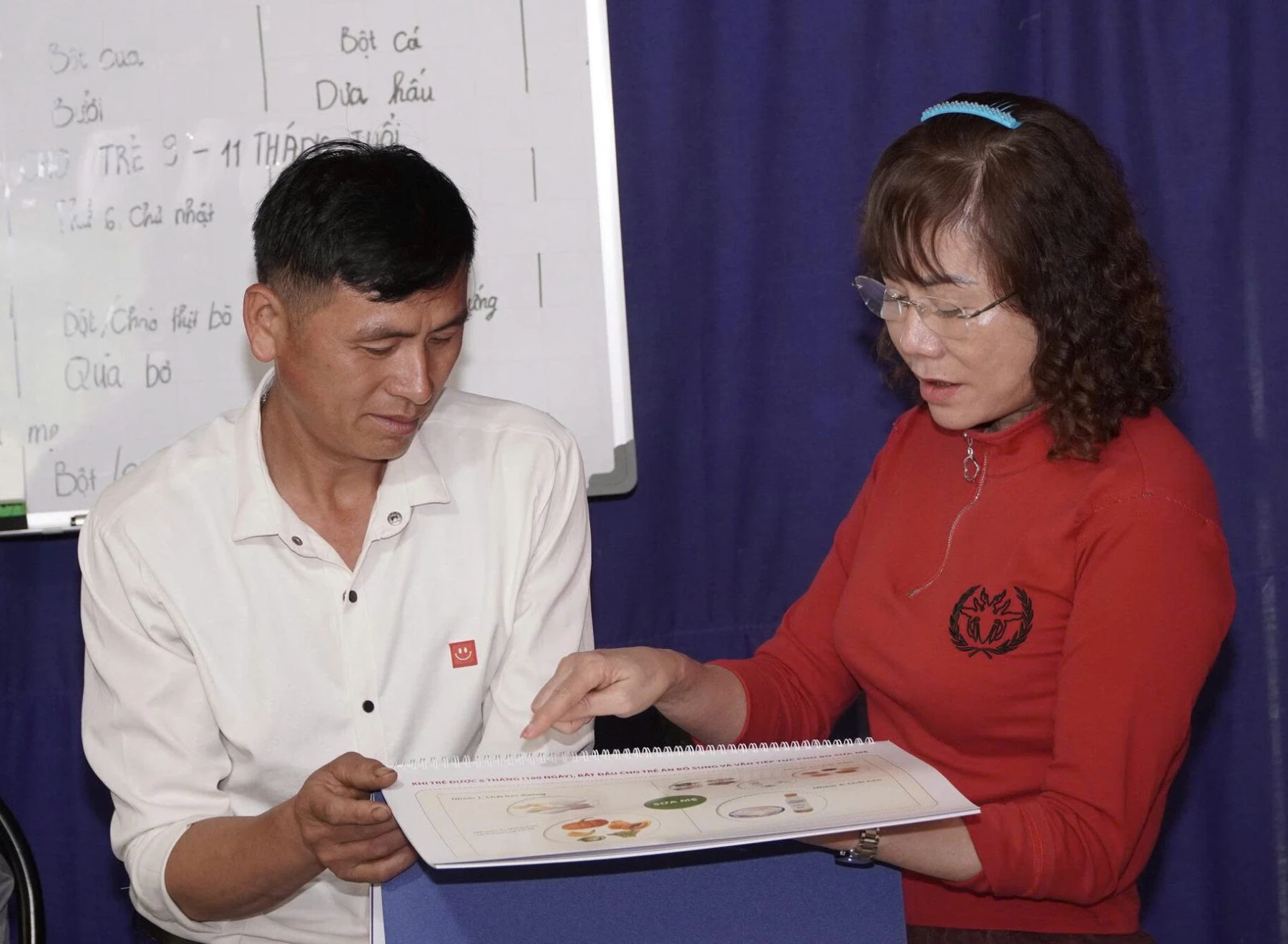
To support implementation, the project provided villages with nutrition practice kits and flipchart communication materials to assist facilitators during outreach activities. CDC Son La, the commune health station, and HealthBridge Vietnam also conducted supportive supervision visits to mentor facilitators and strengthen their communication and counselling skills through on-site coaching and feedback.
For many families, these sessions introduced new information and practices around infant feeding.
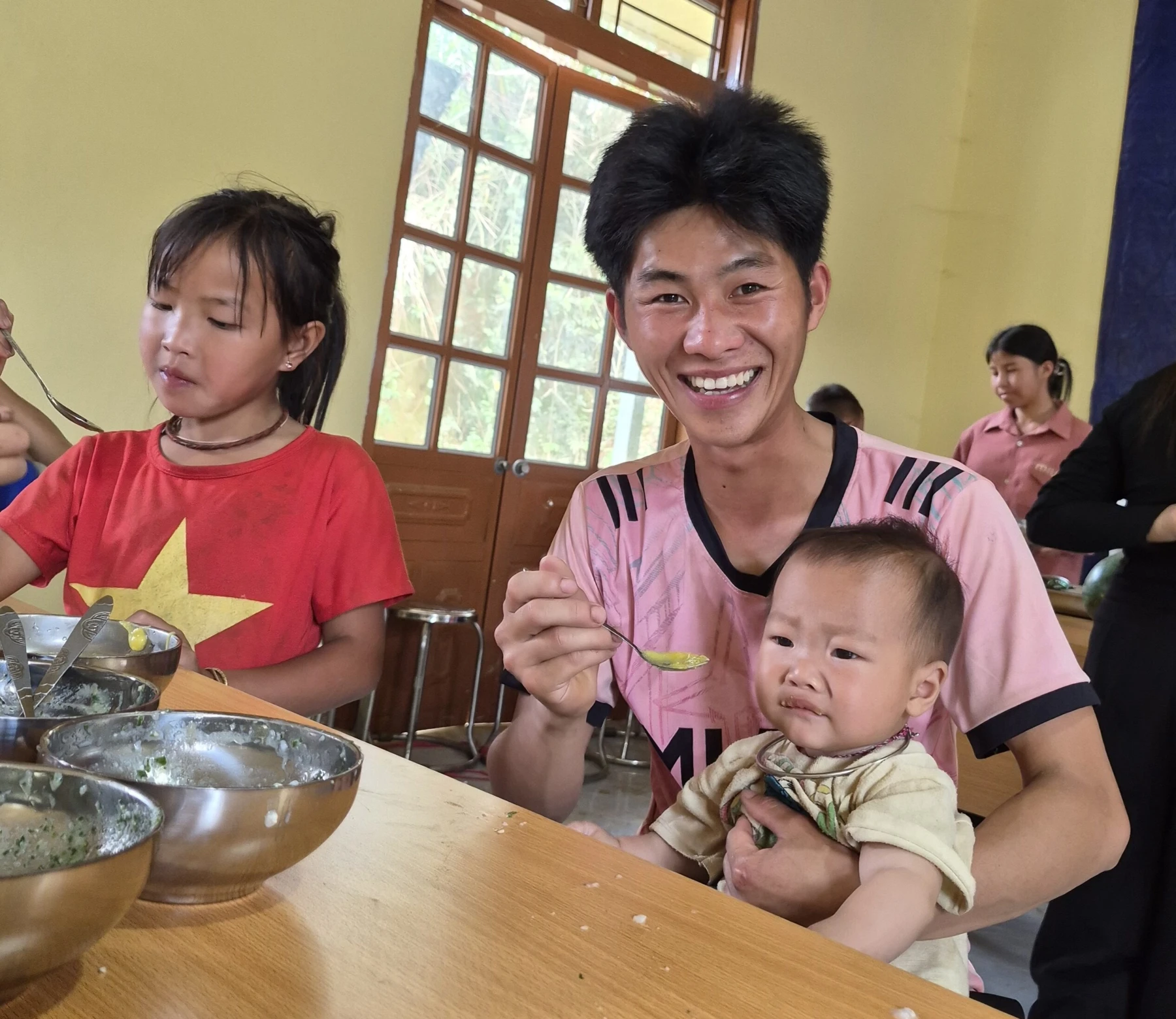
“In our village, parents often start feeding rice to babies as early as four months old. This was the first time my husband and I joined a session on preparing food for young children, and we found it very useful. We now understand that at four months, a baby’s stomach is still immature and breastmilk alone is enough. Complementary feeding should only begin at six months,”
shared Tro and Mi, a couple from the commune after participating in a community nutrition session.
The community-based approach also helped improve access to health and nutrition information for community members living far from health facilities.
“Organizing communication sessions and cooking demonstrations directly in the villages helps community members access health and nutrition services more easily,”
said Ms. Phuc, a midwife at Phieng Cam commune health centre.
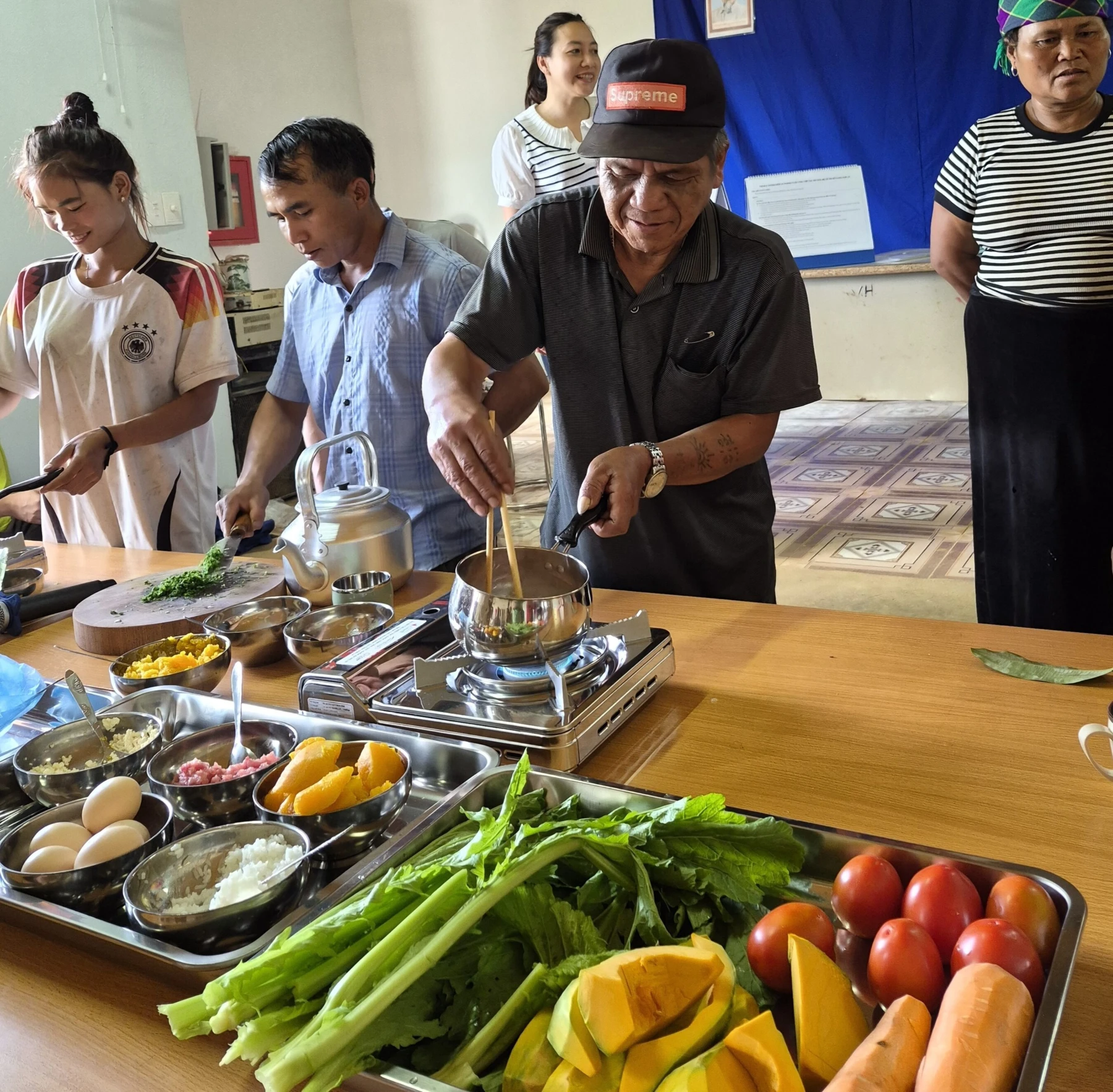
By empowering local facilitators and building on existing community structures, the initiative is helping create a more sustainable, culturally appropriate model, as well as incorporating gender sensitivity training for improving maternal and child nutrition in remote ethnic minority communities. HealthBridge Vietnam and its partners will continue working closely with local authorities and community members to strengthen community-based nutrition support and reduce child stunting in Son La Province.