Project
Description
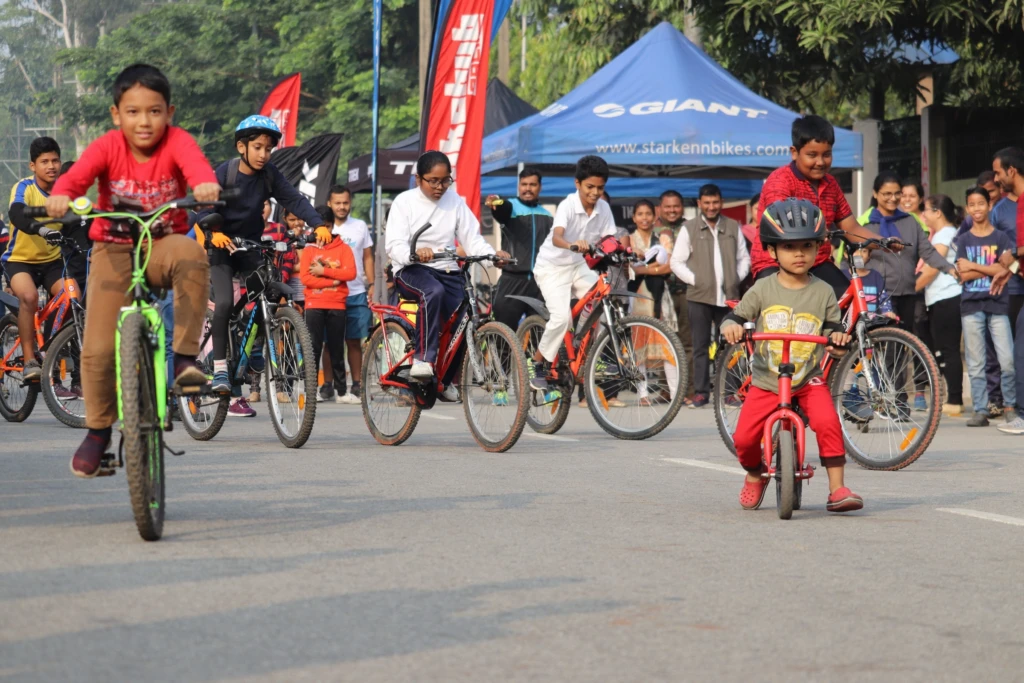
Children’s opportunities for outdoor free play are declining globally, contributing to growing concerns related to mental health, physical inactivity, childhood obesity, and healthy child development. At the same time, rapid urbanization in many low- and middle-income countries (LMICs) is creating environments that often do not support safe, accessible, and engaging spaces for children to play outdoors. While research on outdoor free play has expanded in Canada and other high-income countries, there remains limited evidence from LMIC contexts, where children’s experiences, urban environments, and social conditions may differ significantly.
This initiative, led by HealthBridge brings together researchers, practitioners, civil society organizations, and public officials from Canada, Vietnam, India, Bangladesh, Ghana, and Uganda to strengthen international collaboration on children’s outdoor play and healthy urban environments. The project focuses on sharing knowledge, building partnerships, and co-designing future implementation research related to outdoor free play and child-friendly urban spaces.
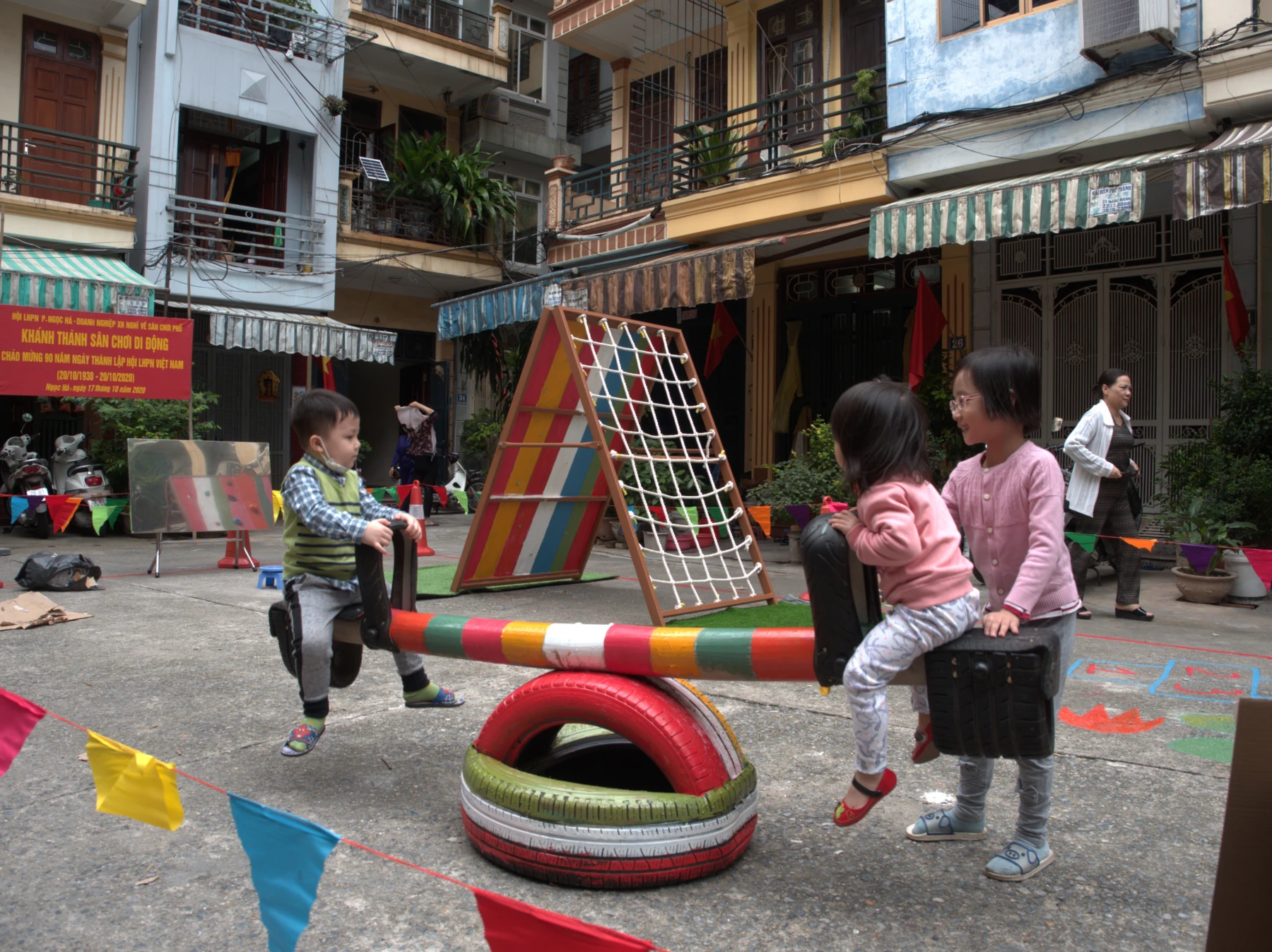
The initiative recognizes that children’s play extends beyond playgrounds alone and includes a wide range of everyday urban spaces such as streets, schoolyards, parks, markets, informal spaces, and neighbourhood environments. Through a series of online workshops and collaborative planning activities, partners will exchange experiences and emerging evidence related to outdoor free play, participatory approaches involving children, and strategies for creating healthier and more inclusive urban environments.
The project aims to strengthen the research and policy landscape concerning outdoor free play and support the development of future multi-country implementation research focused on improving child health, development, and well-being through more playable, inclusive, and supportive urban environments.
Project
Expected Results
- Strengthened international collaboration among researchers, practitioners, civil society organizations, and public officials working on child health, outdoor play, and child-friendly urban environments.
- Increased knowledge exchange on outdoor free play, participatory approaches with children, and strategies to support healthy child development in diverse urban contexts.
- Greater visibility of research and practice related to outdoor free play in low- and middle-income countries, where evidence remains limited.
- Improved understanding of the barriers and opportunities related to outdoor free play in different urban settings, including streets, schoolyards, parks, markets, and informal spaces.
- Enhanced capacity among researchers and knowledge users to design participatory and implementation-focused research related to children’s play and urban health.
- Development of new partnerships and collaborative networks across Canada, Asia, and Africa to support future multi-country research initiatives.
- Co-design of a future implementation research proposal focused on creating healthier, more inclusive, and child-friendly urban environments through outdoor free play.