Details
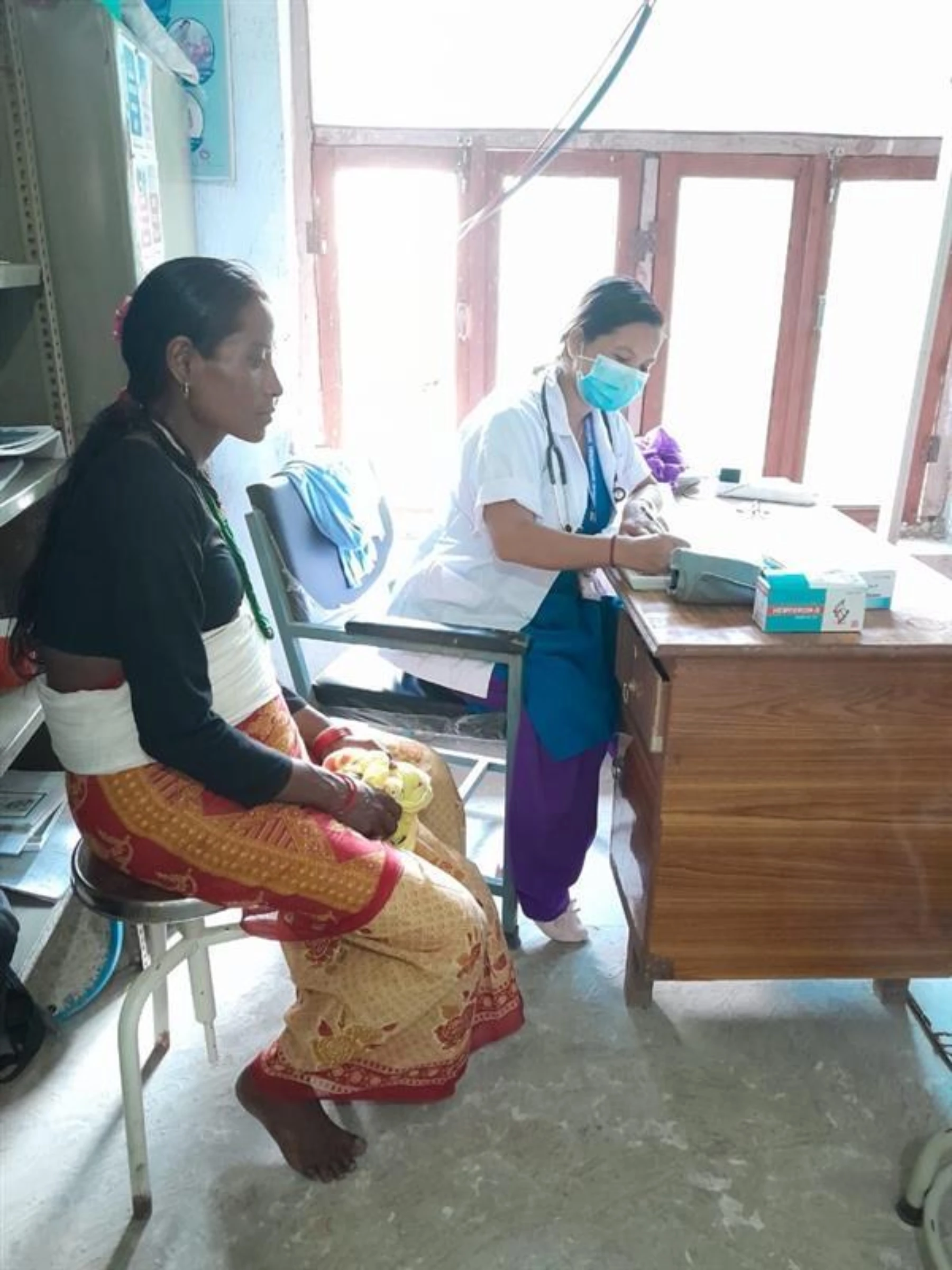
In the remote, mountainous districts of Kalikot, Nepal, accessing healthcare is a significant challenge for many women and mothers. Poor road conditions and long travel times make it difficult to reach central health facilities such as hospitals. As a result, most women rely on nearby health posts, which often have limited equipment and few staff with specialized training.
Srijana Chand Shahi is a dedicated auxiliary nurse midwife (ANM) who has served her community in Kalikot for over a decade. Her early career was filled with challenges.
“When I was studying to become an ANM, I saw some mothers and babies die because they didn’t get the right care at the right time. It made me very sad,” she recalls. “I worked in the health field since 2011 without receiving any further training. Without training, and without proper equipment or transportation, it was very hard to work, especially in a remote place like Kalikot where the roads are bad.”
Srijana recognized that advanced training would give her the valuable skills she needed to safely deliver babies and provide essential reproductive and maternal health services. However for over a decade, such opportunities simply did not exist. Srijana continued to serve her community as best she could, but she was often nervous that she didn’t have adequate knowledge or resources.
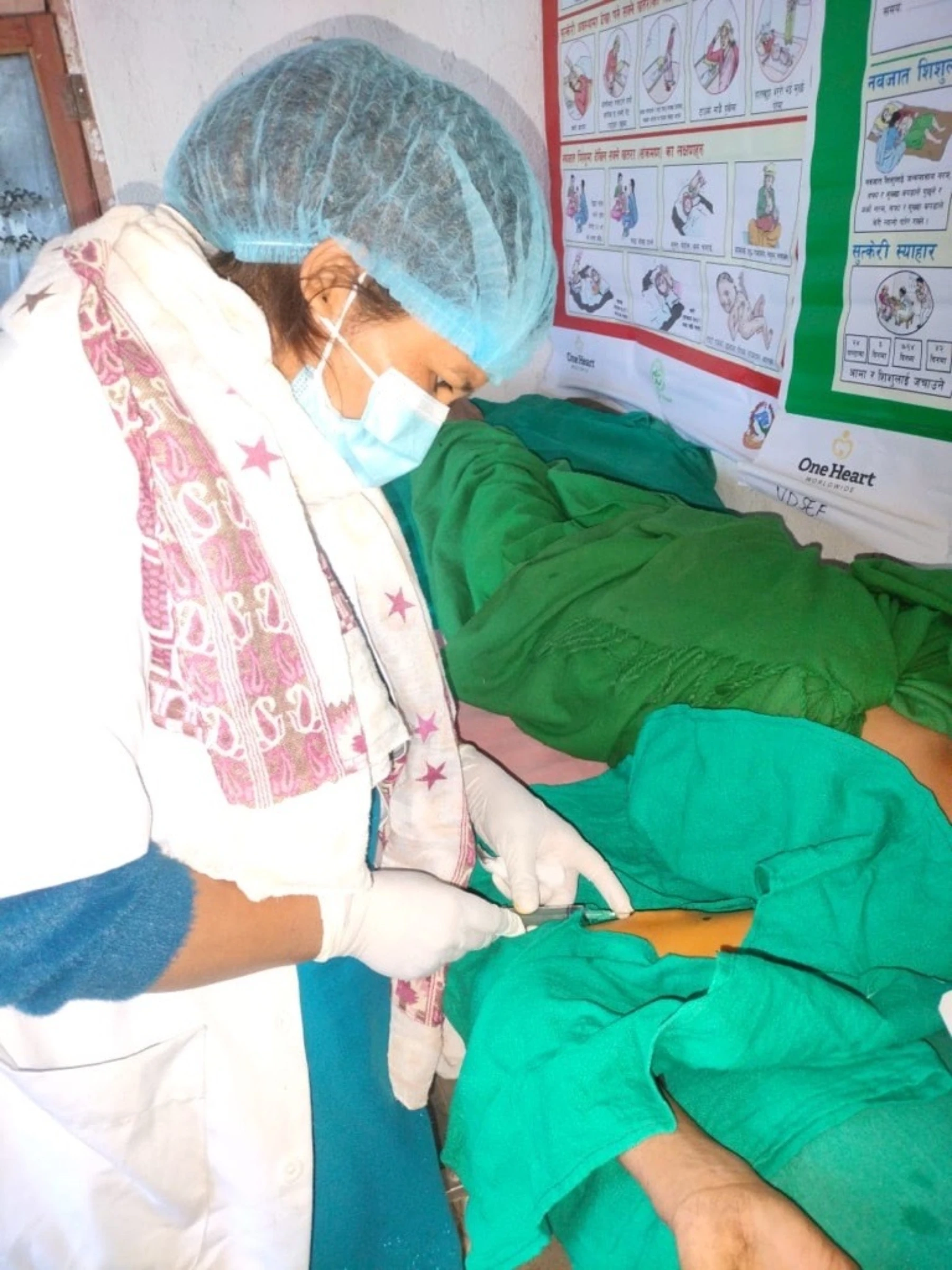
“I only had the knowledge from my ANM course, and I was not confident,” she says. “I used to be afraid and worried when I handled complicated cases, and I couldn’t even refer serious patients because of the lack of transport. At that time, I realized that without proper training and tools, it was almost impossible to properly attend to complicated cases”.
2022 was a turning point for Srijana when the Improving reproductive health and preventing child marriage project was launched in Kalikot. Through this initiative Srijana received skilled birth attendant training and an implant training – opportunities she had been waiting for years to access. The trainings have strengthened her technical skills and boosted her confidence. Now she provides services to women who previously had to walk for hours to another health facility. One woman shares:
“In the past, we had to travel a long distance, around 5 hours of walking, to access to temporary family planning services like implants, but now I am happy to receive them right near my doorstep.”